
CBD can be consumed in many ways, but most people use one of two main approaches: ingesting CBD or inhaling CBD. These are the most common methods because they are accessible and produce noticeably different experiences.
Understanding how CBD enters the body helps explain why some methods feel fast acting while others feel slower but longer lasting.
The Two Main Routes of CBD Consumption
CBD consumption methods generally fall into two categories.
Ingesting CBD includes oils, tinctures, capsules, gummies, and other edibles.
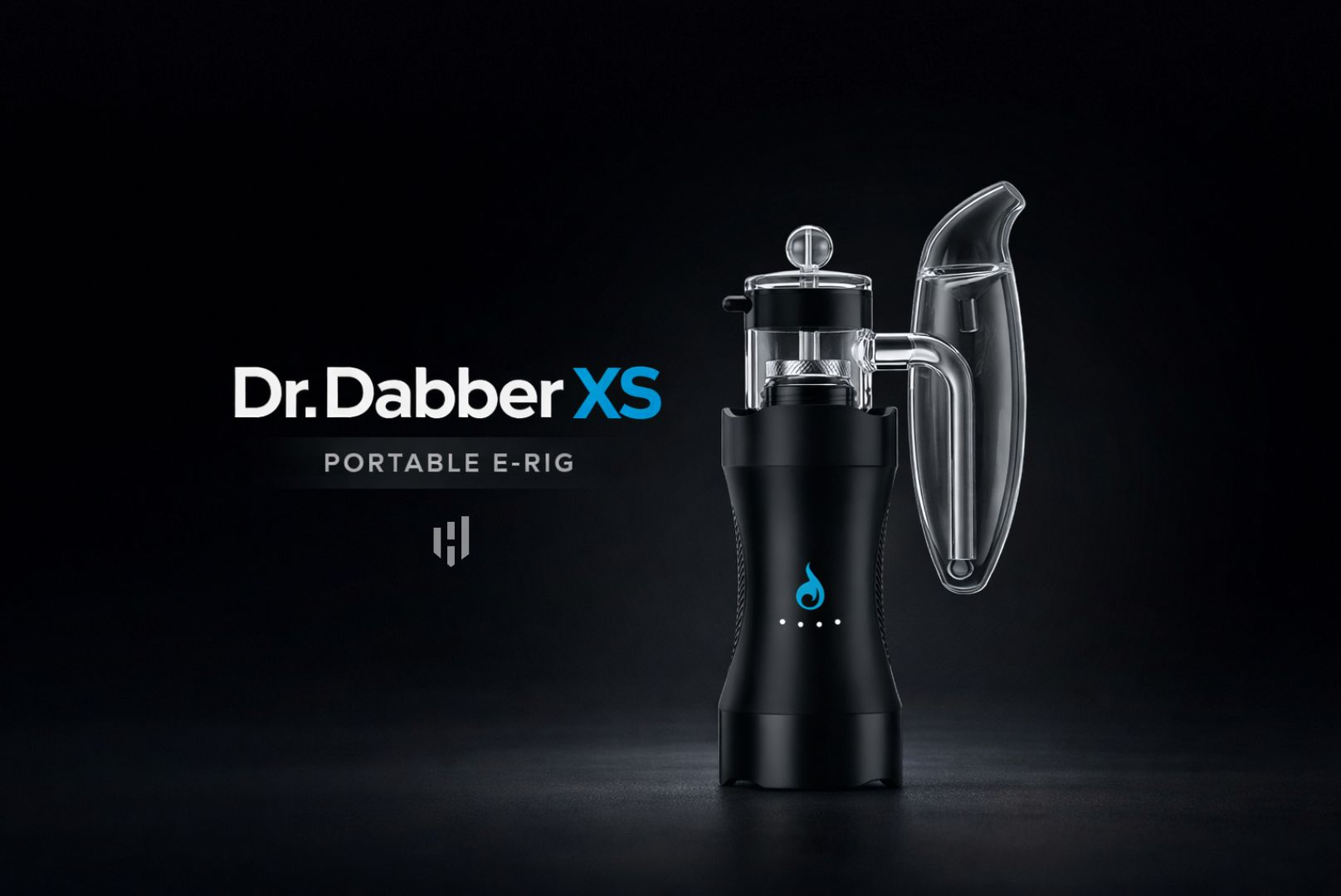
Inhaling CBD includes vaping CBD liquids or concentrates, smoking or vaporising CBD flower, and inhaled extracts.
The key difference between these routes is how CBD reaches the bloodstream and how long it remains active.
How Inhaling CBD Works in the Body
When CBD is inhaled, it enters the lungs and passes directly into the bloodstream through the alveoli. This route bypasses digestion and avoids first pass liver metabolism.
Onset speed
Studies show that inhaled CBD reaches peak blood concentrations very quickly. Pharmacokinetic research indicates peak plasma levels can occur within minutes, often between three and ten minutes depending on the method and formulation.
This rapid absorption explains why inhaled CBD is often described as working faster.
Bioavailability
Bioavailability refers to how much of a substance reaches circulation in an active form. Research suggests inhaled CBD has a bioavailability ranging from approximately 31 to 45 percent, which is significantly higher than most oral forms.
Because less CBD is lost during metabolism, lower doses may feel noticeable more quickly.
Duration of effects
Although inhaled CBD acts quickly, its effects tend to be shorter lived. Blood concentrations rise rapidly and then decline as CBD is distributed and metabolised. Many users report that inhaled CBD feels immediate but fades sooner than ingested forms.

How Ingesting CBD Works in the Body
When CBD is ingested, it travels through the digestive system before entering the bloodstream. From there, it passes through the liver, where a large portion is metabolised before reaching circulation.
Onset speed
Orally consumed CBD typically takes much longer to produce noticeable effects. Research indicates peak blood levels often occur between one and four hours after ingestion, depending on stomach contents, formulation, and individual metabolism.
This slower onset is why oils, capsules, and edibles can feel subtle at first.
Bioavailability
Oral CBD has relatively low and variable bioavailability. Some studies estimate oral bioavailability at around six percent in a fasted state, although consuming CBD with dietary fats can improve absorption.
Because much of the CBD is broken down during digestion and liver metabolism, higher doses are often required compared with inhalation.
Duration of effects
Despite slower onset, ingested CBD tends to remain in the system longer. Absorption occurs gradually, and CBD continues entering circulation over time. This often results in effects that feel more sustained and longer lasting.
Why the Effects Feel Different
The difference between inhaling and ingesting CBD is not about strength alone. It is about timing, absorption, and metabolism.
Inhalation produces rapid onset, higher peak concentrations, and shorter duration.
Ingestion produces slower onset, lower peak concentrations, and longer lasting effects.
Neither method is inherently better. They simply suit different preferences and situations.
What Research Shows
Pharmacokinetic studies comparing inhaled and oral CBD consistently show faster time to peak concentration with inhalation, higher bioavailability through the lungs, and slower absorption with extended presence when CBD is taken orally.
One controlled study comparing inhaled and oral CBD found that inhalation achieved peak blood levels within minutes, while oral CBD took over two hours to reach peak concentration even at higher doses.
Choosing the Right Method
Some people prefer inhalation for immediacy and clarity of onset. Others prefer ingestion for consistency and longer duration. Individual responses vary due to metabolism, body composition, and endocannabinoid system activity.
Understanding these differences helps people make informed choices rather than assuming one method is stronger across the board.
Final Thoughts
Ingesting and inhaling CBD are fundamentally different ways of introducing cannabinoids into the body. Inhalation delivers CBD quickly and efficiently but for a shorter period. Ingestion takes longer to act but often lasts longer once it does.
Neither approach is superior. They simply offer different timelines and experiences.